Small Saves, Big Holiday: A Game-Length Schedule for the Chaos Between Christmas and New Year
Photo: Shixart1985, CC BY 2.0, via Wikimedia Commons
Every December, the same trap springs: a massive RPG goes on sale, the description promises 100 hours of adventure, and you think, 'Perfect. I'll knock it out over the holiday break.' Then December 23 arrives with a suitcase, a grocery run, three family calls, and a console update that takes 40 minutes. You play for a half-hour, forget the controls, and spend the next week feeling weirdly guilty about a fictional world you abandoned.
Let's fix that. The holiday break is not one long, uninterrupted game night. It's a series of tiny, unpredictable windows. If you match the game to the gap instead of forcing a 100-hour epic into a 12-day scramble, you'll actually finish something, remember what happened, and head into 2027 feeling like you leveled up.
The Break Is a Series of Tiny Windows, Not a Blank Slate
Here's the honest math. Between December 23 and January 1, most of us get maybe a handful of real two-hour stretches. The rest is 20-minute scraps: waiting for the oven, sitting in an airport, that weird hour after everyone else goes to bed but before you admit you're tired. A 100-hour RPG needs long, recursive sessions to stay fun. It needs you to remember which quest you were on and why. Holiday time gives you the opposite of that.
So the goal isn't to avoid big games forever. It's to stop pretending December is a quiet month. In 2026, the calendar is especially crowded, and your backlog will still be there in January. The move is to build a short, flexible playlist that respects the season.
Tier One: Demos and 20-Minute Wins
This is the base layer. Demos are perfect for fragmented days because they have a defined end. You can finish one while the coffee brews. You can try three in an evening and feel like you actually did something. Keep a small 'holiday demo folder' on your console or PC: a racing demo, a platformer demo, a narrative teaser, maybe a roguelike demo where a single run is the whole session.
Short arcade games work here too. So do score-chasers, puzzle games, and anything that doesn't ask you to remember a 40-hour inventory. The win condition is simple: you sat down, you played, you stopped without a cliffhanger guilt spiral. That counts.
Tier Two: The 10-Hour Story
When you do get a real evening, reach for a focused single-player game with a 10-to-12-hour critical path. This is the sweet spot for holiday breaks: long enough to feel substantial, short enough that you can finish it before the decorations come down. Look for linear action-adventures, tight narrative games, or indies that respect your time. A good rule of thumb is a game you could finish in four or five solid sessions.
Schedule it like a treat, not a chore. Pick two nights on the calendar, protect them, and let the rest of the week be demos and quick matches. If you miss a night, don't try to 'make up' four hours on a random Tuesday. Just pick up the next window you have. The game will wait.
Tier Three: Pick-Up-and-Play Console Favorites
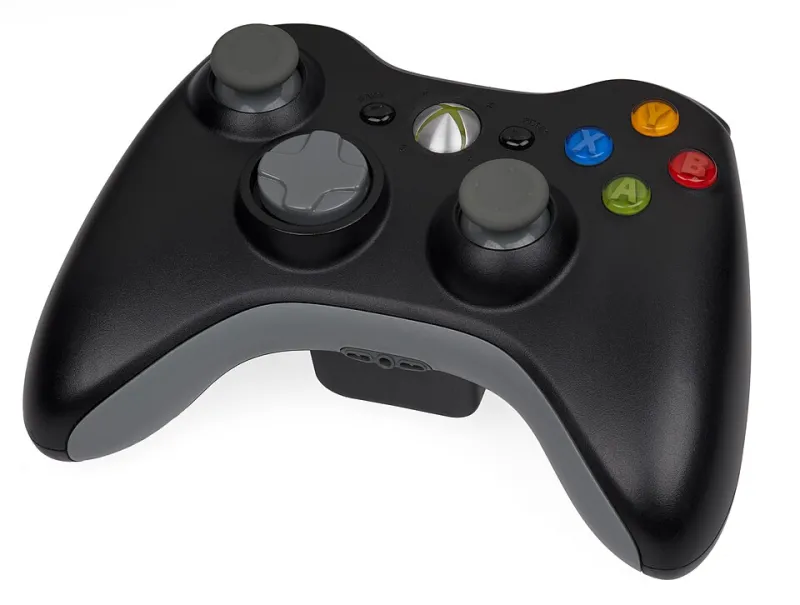
Holiday gaming isn't only solo. When cousins, roommates, or friends drop by, you need games that explain themselves in 30 seconds and end in laughs. Couch co-op racers, party games, sports titles, and arcade brawlers are built for this. So are fighting games with a simple versus mode. They don't require a save file or a memory of last week's plot. They require a second controller and a willingness to lose graciously.
Keep one or two of these installed and updated before the family arrives. The person who suggests a quick round of something everybody knows is the holiday hero. That's you. GameLand approved.
Audit Your Real Calendar Before You Buy
This is the step almost everyone skips. Open your calendar and count actual playable windows. Not hypothetical ones. Not 'I might have time after dinner.' Real ones. Maybe you have three 90-minute evenings and a handful of 20-minute scraps. That's your budget. Shop for games that fit it, not for the fantasy version of your break where you play for six hours a day.
If a 100-hour RPG is calling your name, wishlist it and start it in January. That's not defeat. That's strategy. The best time to start a long campaign is when your schedule actually supports it, not when the sale price is lowest.
A Sample Schedule That Bends, Not Breaks
Think of this as a template, not a law. December 23 and 24: download updates, try two or three demos, and don't start anything with a 90-minute tutorial. December 25: skip the campaign entirely. Play a party game with whoever is around or take the day off. December 26 through 30: use your protected evenings for the 10-hour story, two hours at a time. December 31: pick-up-and-play only. Nobody wants to be mid-cutscene when the countdown starts. January 1: recovery mode. A short indie, a demo, or a nap.
Backlog Guilt Is Not a Holiday Tradition
You do not owe your backlog a marathon. Finishing a demo is a win. Trying three games and liking one is a win. Playing a racer with your nephew and losing badly is a win. The point of the break is to enjoy the hobby, not to prove something to a spreadsheet. If you start a long game and bounce off it, that's information, not failure. Close the tab and move on.
By the time the new year arrives, you'll have something better than a half-finished epic: a handful of small, completed experiences and a clear idea of what you actually want to play in 2027. That's how you level up during a holiday break. Not by grinding. By matching the game to the gap.